

Article: Unexpected Use: Cleaning Wooden Kitchen Tools with OxyBoost
Unexpected Use: Cleaning Wooden Kitchen Tools with OxyBoost
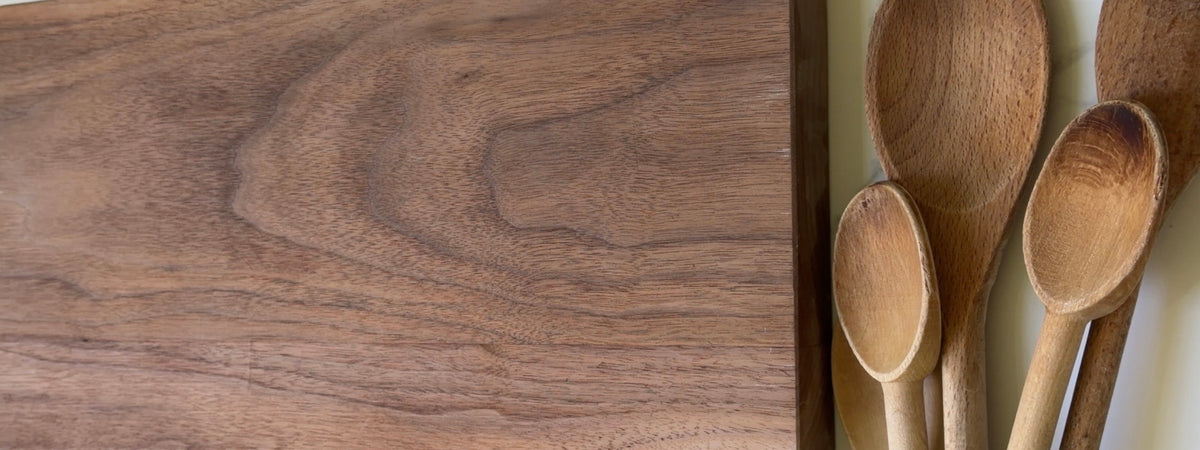
Your wooden utensils & cutting boards are basically a sponge, and not in a good way. Wood is porous, so food residue, oils and juices can settle into the grain, leaving behind buildup and unwanted odors that everyday washing may not fully remove. Over time, that can mean stubborn stains, lingering smells, and wooden tools that never quite feel fresh.
Here's how to give them a deeper clean with Natuary's OxyBoost.
Why OxyBoost Works on Stains & Odors
Baking soda has earned its place in the cleaning cabinet. It offers mild abrasive action and helps neutralize odors. OxyBoost builds on that familiar ingredient with a three-part formula designed to do more.
Here's what's working inside:
- Sodium percarbonate: Releases hydrogen peroxide and oxygen when mixed with water. The resulting oxidation helps break down organic stains and odor-causing residue.
- Sodium bicarbonate: Also known as baking soda, it provides mild abrasive action and helps neutralize odors.
- Sodium citrate: Helps manage mineral buildup, soften water, and regulate pH.
Together, these ingredients help lift stubborn stains and loosen residue, making them easier to rinse away.
OxyBoost gets down into the grain to help lift out stains, residue, and trapped odors, so your wood looks and smells fresher again.
How to Clean Wooden Spoons with OxyBoost*
The key to cleaning wood is giving it the help it needs while limiting prolonged exposure to water.
Step 1: Mix Your Solution
Dissolve a small amount of OxyBoost in warm water.
Step 2: Apply & Work It In
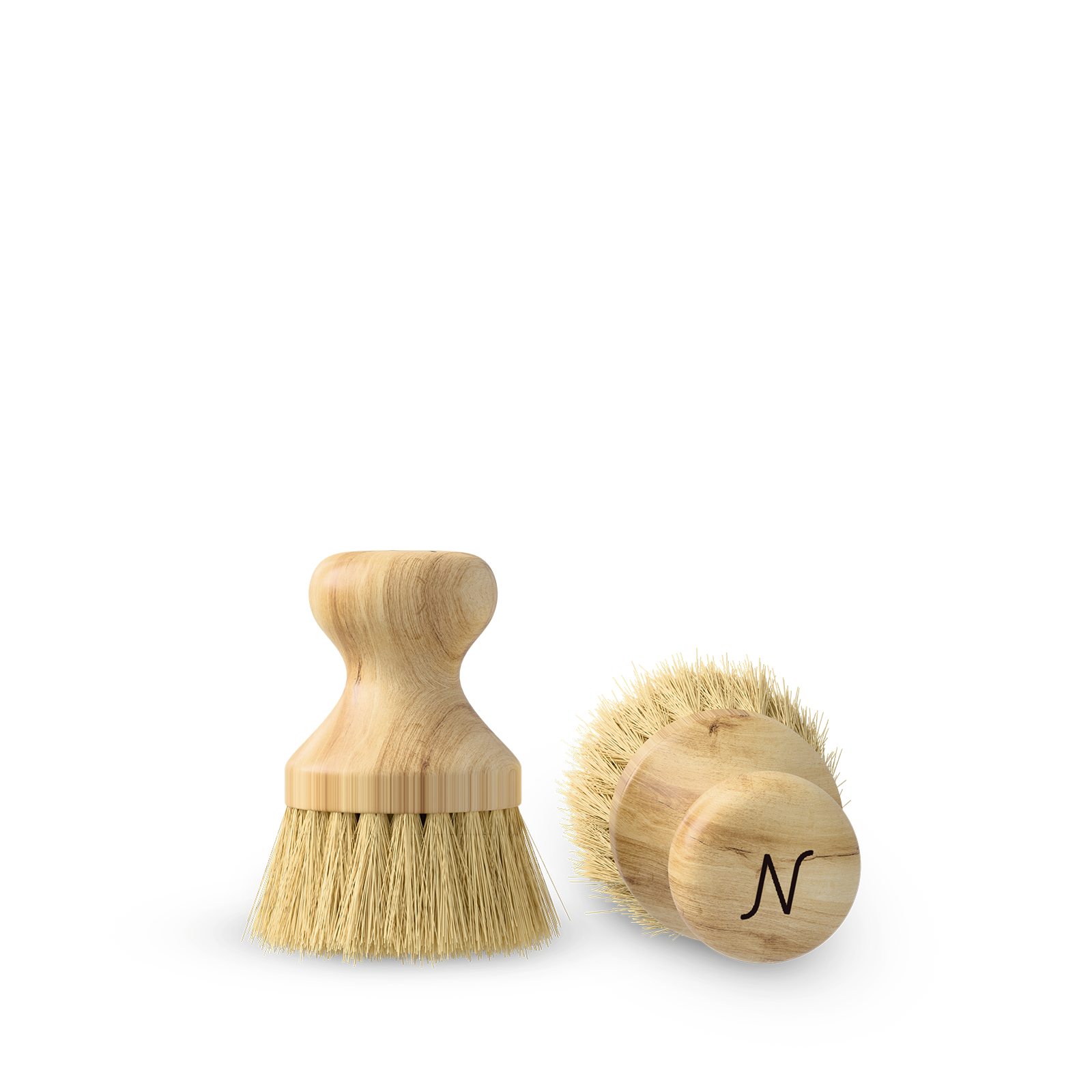
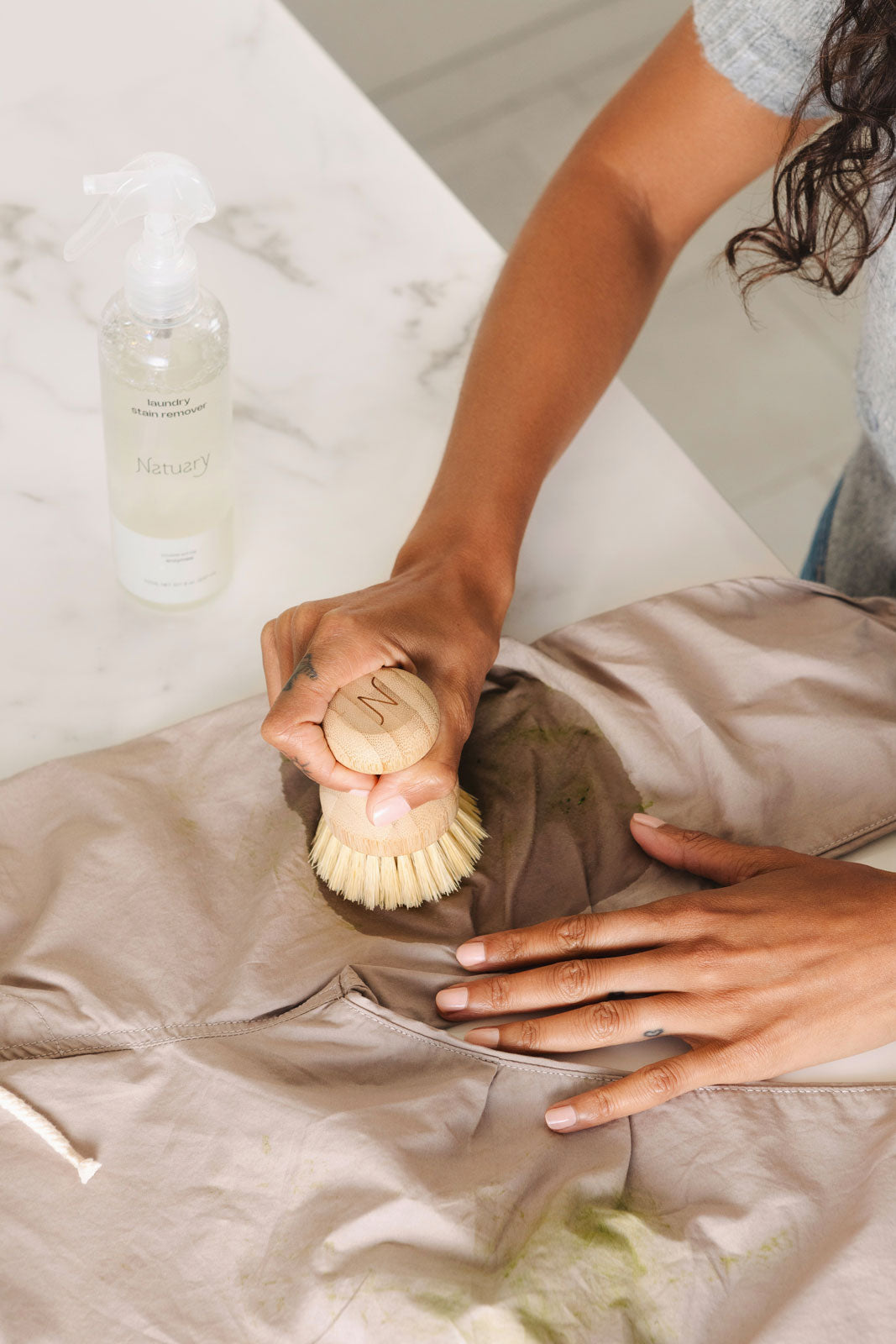
Dampen your brush with the solution and gently work it over the wooden surface. Pay attention to stained areas and spots where food residue tends to collect.
Step 3: Keep the Contact Time Brief
Allow the solution to sit on the surface for a few minutes, without letting the wood soak too long.
Step 4: Rinse & Dry Thoroughly
Rinse the utensil well under running water. Dry them immediately with a clean towel, then stand them upright in a well-ventilated area until completely dry.
*A note on wood care: Avoid boiling-water treatments and prolonged soaking. Wood absorbs moisture, which can cause swelling and contribute to cracking or splitting as it dries.
Step 5: Condition the Wood (Optional but Recommended)
Once completely dry, rub in a food-grade mineral oil or cutting board oil to condition the grain and help lock out moisture. Coconut oil works too, since it resists going rancid. Skip olive, vegetable, and other cooking oils, which can turn rancid and leave a sticky film.
What About Wooden Cutting Boards?
Cutting boards deserve the same attention! The method is similar, with one extra priority: keep water exposure to a minimum. A cutting board's broad surface can hold moisture for longer, especially around knife marks and worn areas.
- Remove food debris and rinse the board lightly.
- Apply a small amount of OxyBoost solution with a brush.
- Gently work over the surface, paying attention to stained areas.
- Keep the contact time brief and never submerge the board.
- Rinse thoroughly, towel-dry, and stand the board upright to finish drying.
- Optional: once the board is completely dry, rub in food-grade mineral oil or cutting board oil.
Important: Cleaning a wooden board is not the same as sanitizing it. Follow appropriate food-safety guidance for raw meat, poultry, seafood, and other higher-risk foods. Do not rely on OxyBoost as a sanitizer or disinfectant.
A Smarter Way to Refresh Your Kitchen Tools
Remember the basics: use a brief surface application, rinse thoroughly, avoid soaking, and let your wooden tools dry completely.
A little chemistry goes a long way when you put it to work in the right way!
Explore all of Natuary’s products and kits. Subscribe for our best discount to keep your cleaning essentials stocked.
Leave a comment
This site is protected by hCaptcha and the hCaptcha Privacy Policy and Terms of Service apply.