
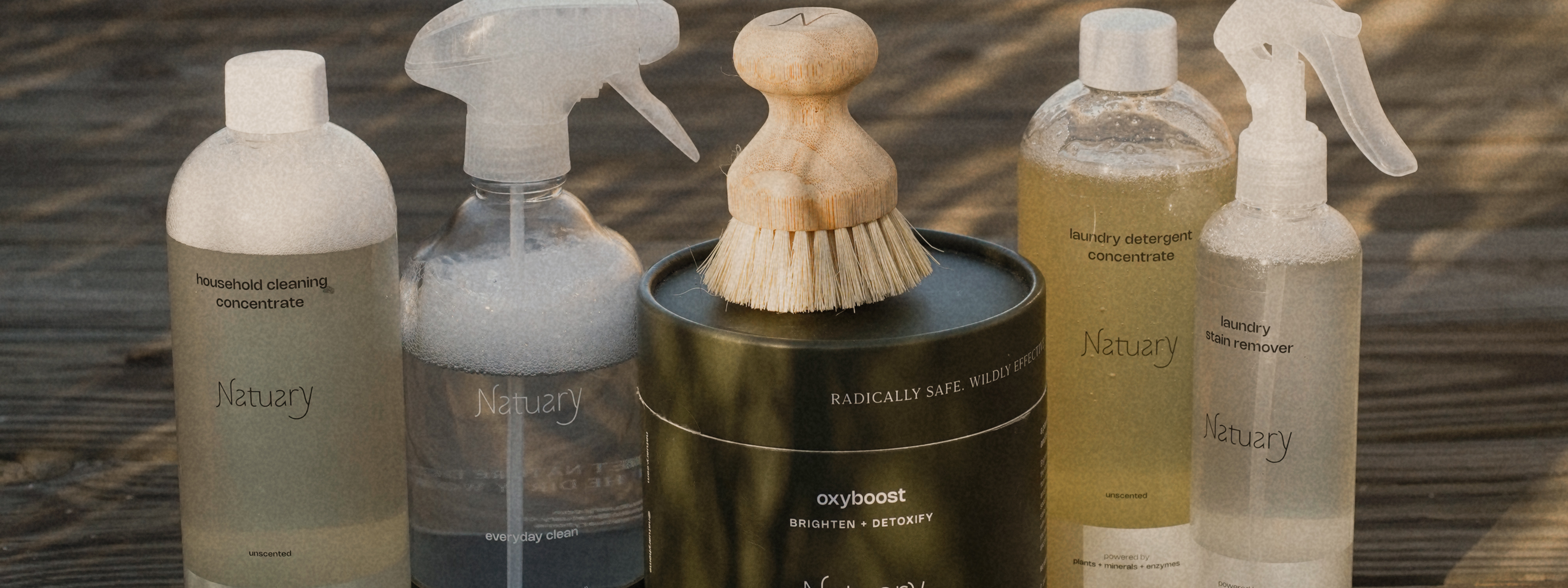
The Hidden Chemistry of “Natural”
The word “natural” feels reassuring. It suggests safety, simplicity, and transparency. Walk down any cleaning aisle and you will see the word everywhere.
But “natural” is not a regulated scientific term in household cleaning. It is a marketing term. And that distinction matters.
If you have ever stood in front of a label wondering what something actually is, you are not alone.
When “Natural” Becomes a Disguise
Some brands use plant-forward language while quietly relying on synthetic stabilizers, preservatives, or surfactants that sound botanical but are heavily processed petrochemical derivatives.
Here is How the Disguise Typically Happens:
- A formula contains one recognizable plant extract.
- The rest of the ingredient list is written in softened chemical language.
- Certain ingredients can be grouped under broad terms like “fragrance,” limiting full transparency into what’s inside.
- No context is provided for why each ingredient exists.
You are left in the exhausting research spiral.
Real transparency does not require a chemistry degree. It requires clarity.
Nature’s Complexity is Not the Problem
“Can’t pronounce it, don’t use it” is common advice in the ‘clean living’ world. It sounds practical, but it is not scientific. Many safe, biobased ingredients have long names because chemistry requires specificity. Precision is not a red flag, it is how safety is measured.
Here’s What Does Matter:
- Origin
- Function
- Concentration
- Safety data
A plant-derived surfactant can be highly effective and low risk. A synthetic preservative can be safe at specific percentages. Context is everything.
Fear-based labeling removes context; science restores it.
The Stabilizer Question
One of the most common hidden elements in “natural” cleaners is the stabilizer.
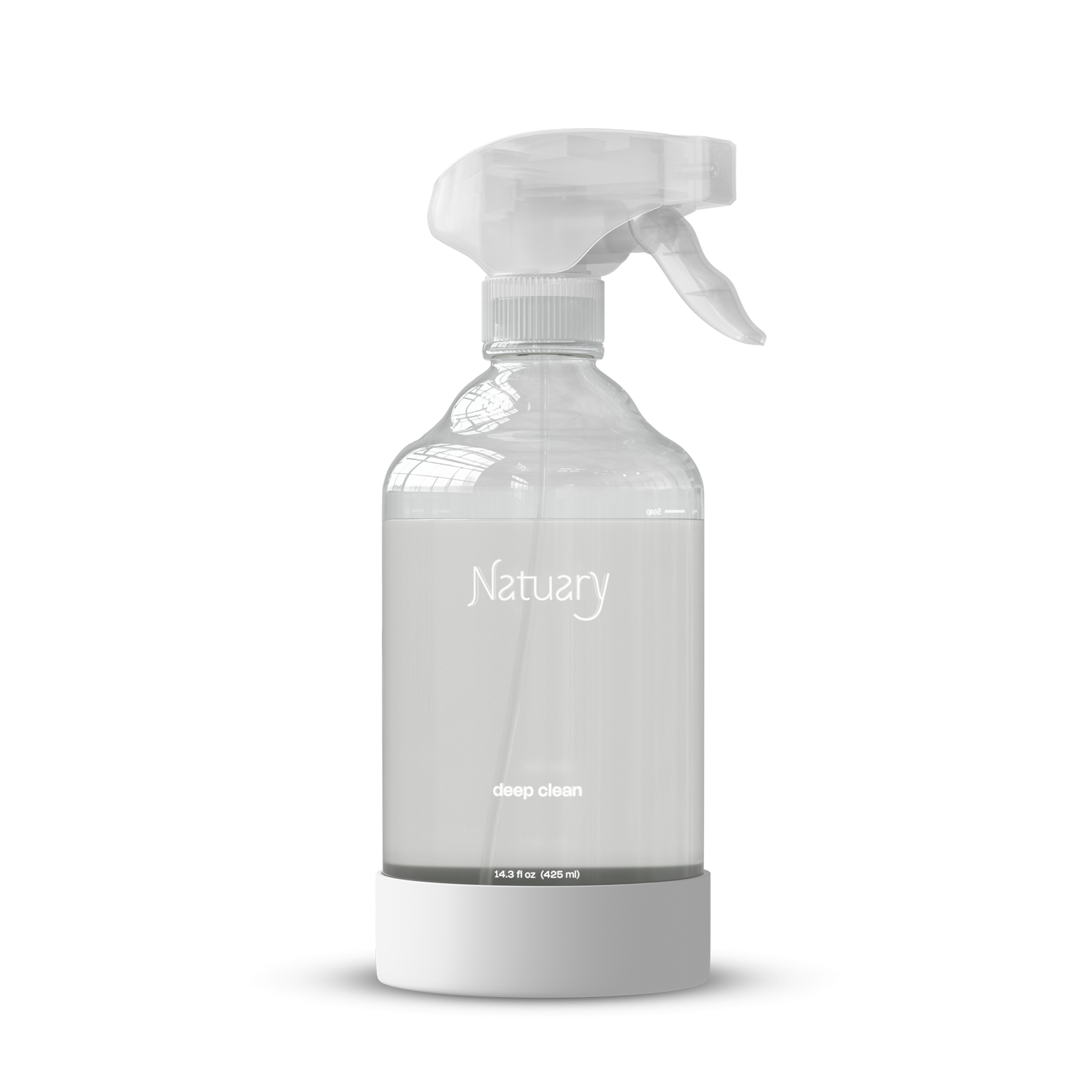
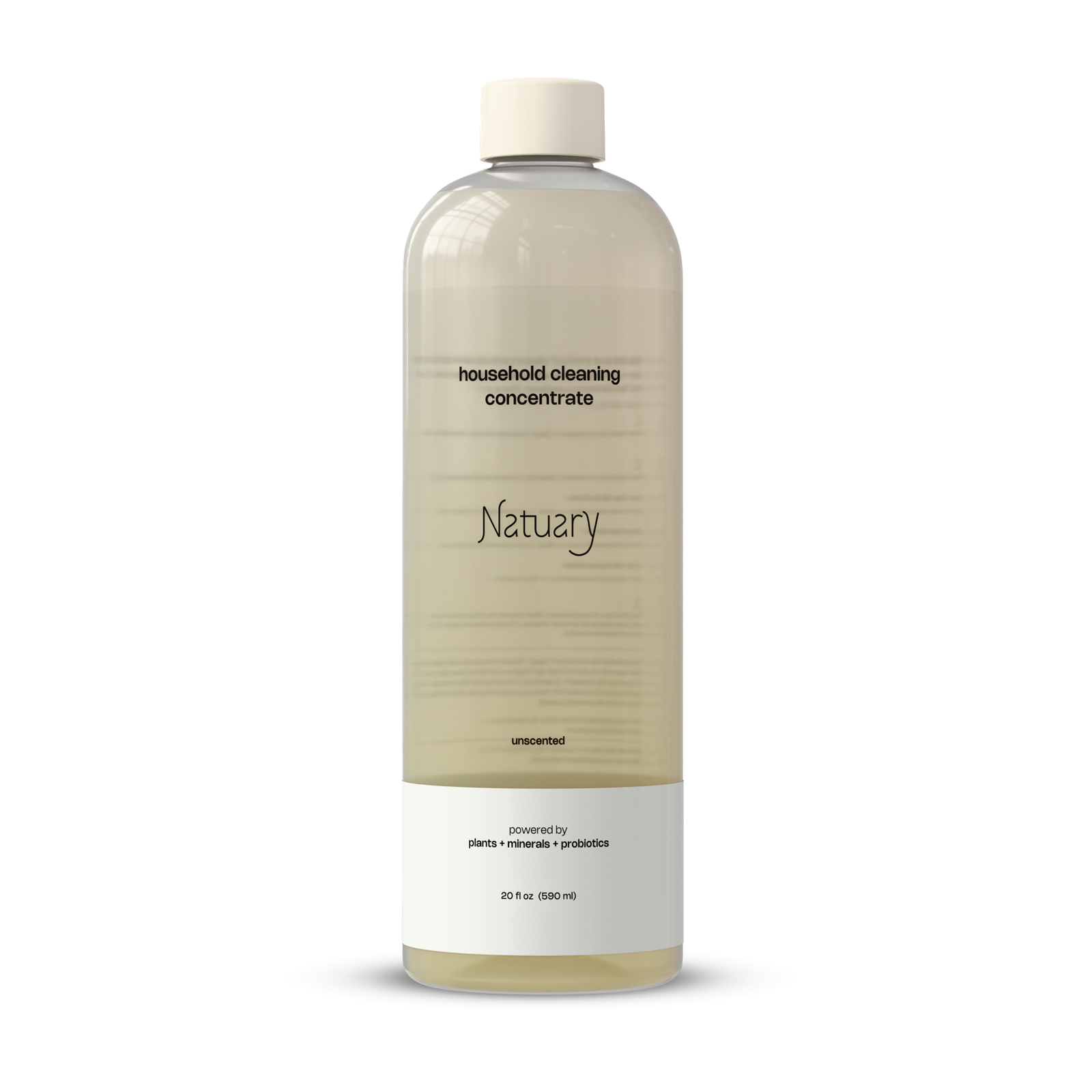
Natuary uses enzymes, probiotics, and surfactants, which require stabilization to remain effective. Without it, the formula degrades.
Some brands omit discussion of stabilizers entirely. Others hide them inside vague ingredient groupings.
At Natuary, stabilizers and preservatives (like propylene glycol and phenoxyethanol) are disclosed clearly, along with why they are used and at what concentration. For example:
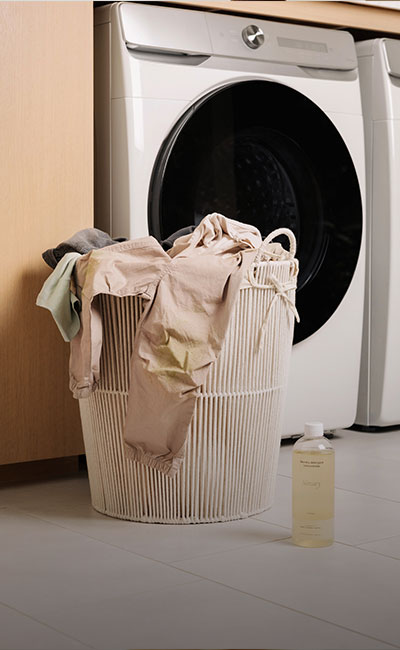
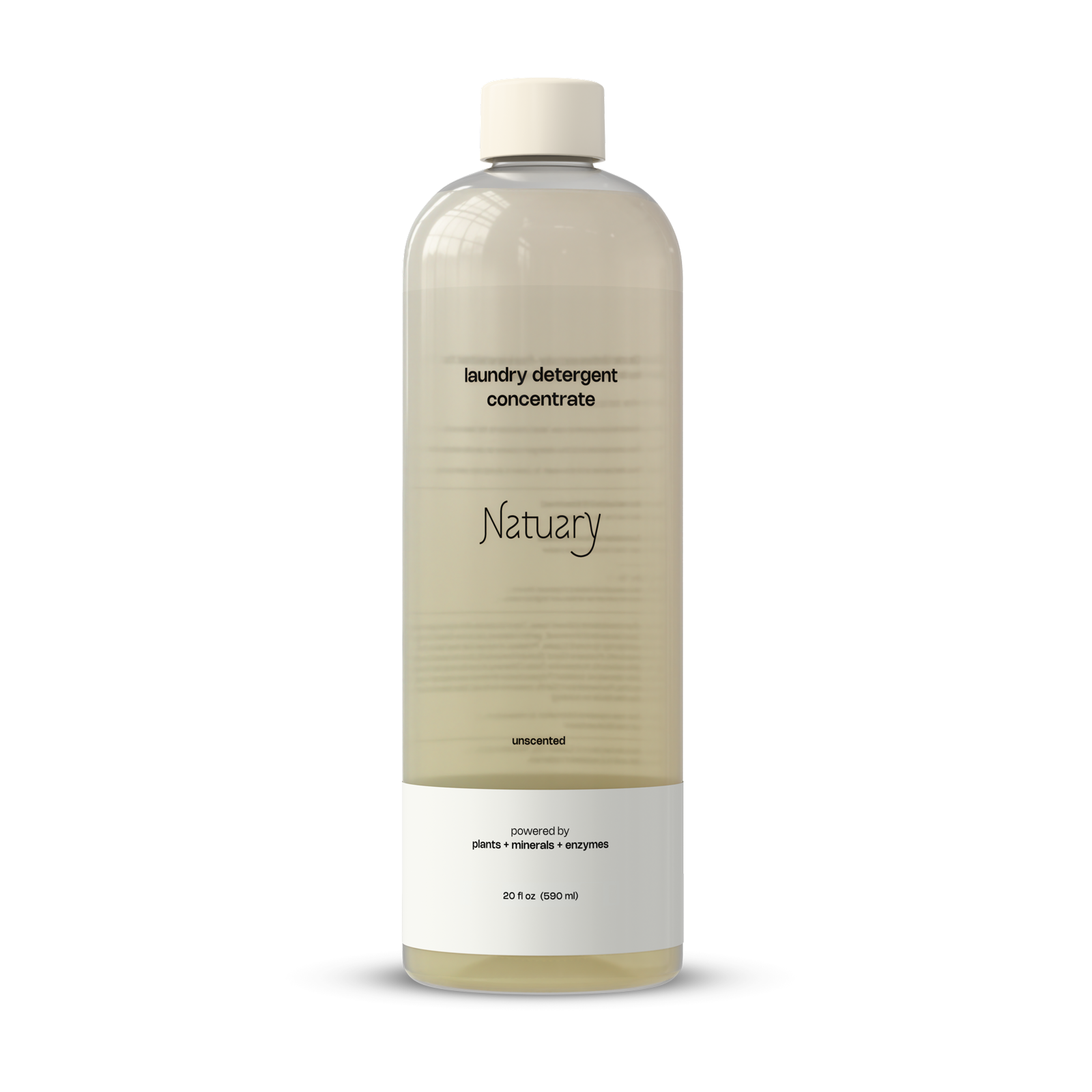
- In our Laundry Detergent, Phenoxyethanol is used at 0.1196% to preserve formula integrity.
- It prevents microbial growth inside the bottle.
- It is highly water-soluble and rinses out completely during the rinse cycle, leaving no residue on fabrics.
Transparency means explaining purpose, not just listing names.
What Real Transparency Looks Like
Transparency is not a claim. It is a system. Here is a checklist of what we believe transparency should include:
- A complete, public ingredient library
- Clear descriptions of what each ingredient does
- Safety ratings provided alongside ingredient profiles
- No artificial fragrance masking
Natuary’s Ingredient Library exists so you never have to guess. Every ingredient is listed with its function and safety rating. You can also review each EWG score directly. Nothing is hidden behind umbrella terms.
And while this level of disclosure is rare in homecare, at Natuary we believe it should be the standard.
Clean Smarter, Not Louder
Reclaiming confidence in your household products starts with asking three simple questions:
- Does the brand explain every ingredient clearly?
- Do they disclose stabilizers and preservatives openly?
- Is performance explained scientifically, not emotionally?
Natural cleaning products should work while being safe and transparent. Not trendy, vague, or fear-based.
When you understand your formula, you stop second-guessing your choices. That is what empowered cleaning looks like.

Leave a comment
This site is protected by hCaptcha and the hCaptcha Privacy Policy and Terms of Service apply.